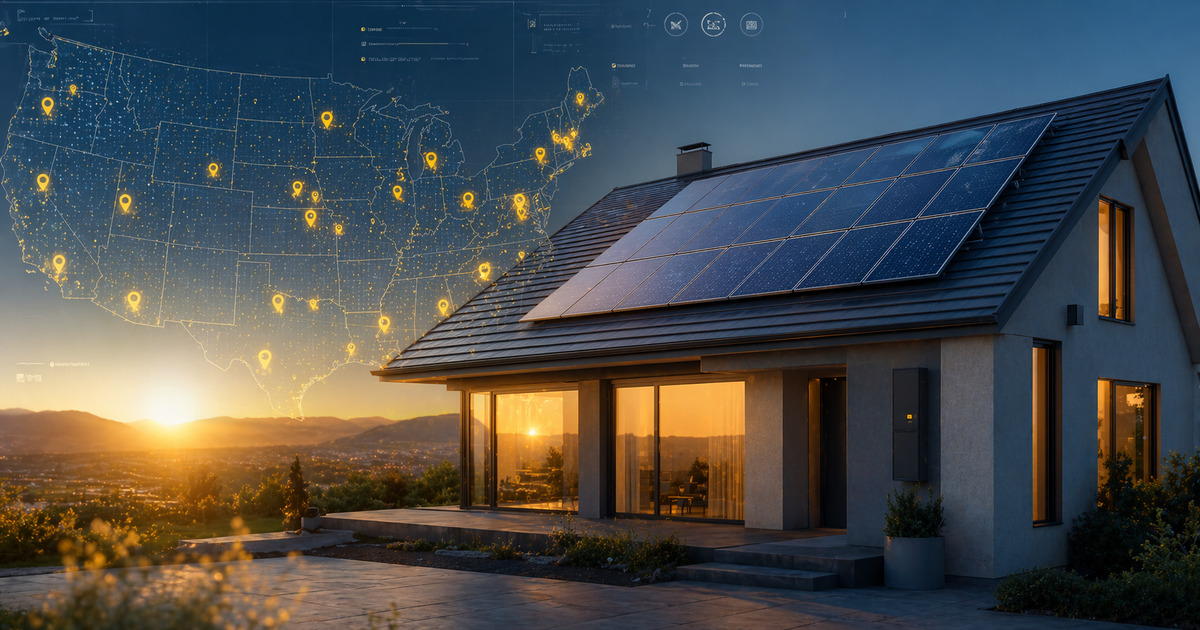
If you are planning a DIY solar project today, installing standard panels is no longer enough. With changing grid tariffs and frequent power outages, adding a solar battery is the most critical step toward true energy independence.
However, transitioning to a whole house solar battery system requires precise engineering. If you undersize your storage, you’ll end up buying expensive grid power at night. If you oversize it, your ROI (Return on Investment) will plummet. Here is what you need to know before buying your equipment.
Why a Hybrid Solar System is the New Standard
A hybrid solar system combines the best of both worlds: it stays connected to the utility grid for backup, but uses an intelligent hybrid solar power inverter to store excess daytime solar energy in a battery bank.
Unlike older setups, modern hybrid systems allow you to program exactly when to use stored energy (e.g., during peak evening rates). But to make this work efficiently, the heart of your system—the battery—must be sized perfectly.
Lithium Solar Batteries: The Clear Winner
While lead-acid batteries are cheaper upfront, lithium solar batteries (specifically LiFePO4 / Lithium Iron Phosphate) dominate the market in 2026 for several reasons:
You can safely use 90-100% of capacity, compared to just 50% for lead-acid.
Modern LiFePO4 batteries easily exceed 6,000 cycles (roughly 15 years).
Faster charging means short winter sun windows can still reach 100%.
When comparing solar and battery prices, lithium offers a significantly lower cost per kWh over the system's lifetime.
Sizing Your Storage: Stop Guessing
One of the most frequent questions we see is: "How big should my battery for a home inverter be?"
Many DIYers try to manually calculate their evening kilowatt-hour (kWh) usage, but this often ignores crucial factors like inverter inefficiency, temperature derating, and surge currents from appliances like heat pumps.
Inverter Compatibility: The Missing Link
Buying a high-capacity battery is useless if your inverter cannot handle the communication protocols (CAN/RS485) or the charge current.
Known for incredible flexibility, allowing multiple generators and batteries to be connected simultaneously.
The absolute gold standard for off-grid. Requires careful planning of charge controllers and monitoring.
Great "all-in-one" ecosystem choices for residential users who want seamless integration.
Can You Run Solar Panels Without a Battery?
Yes, you can install solar panels without a battery using a standard grid-tied inverter. However, in the event of a grid outage, your system will shut down for safety reasons. Upgrading to an inverter with batteries ensures your lights stay on when the neighborhood goes dark.
Ready to size your battery system?
Don't leave your energy independence to guesswork. Use our AI-powered calculator to find the perfect battery capacity for your specific home and inverter choice.

Serhii Bereshchuk
Founder of Global Sun Hub
Serhii is the founder and developer of Global Sun Hub. Building from Ukraine, he specializes in creating high-precision, unbiased tools for the solar community. His mission is to replace high-pressure sales pitches with raw technical data and free, professional-grade planning tools.